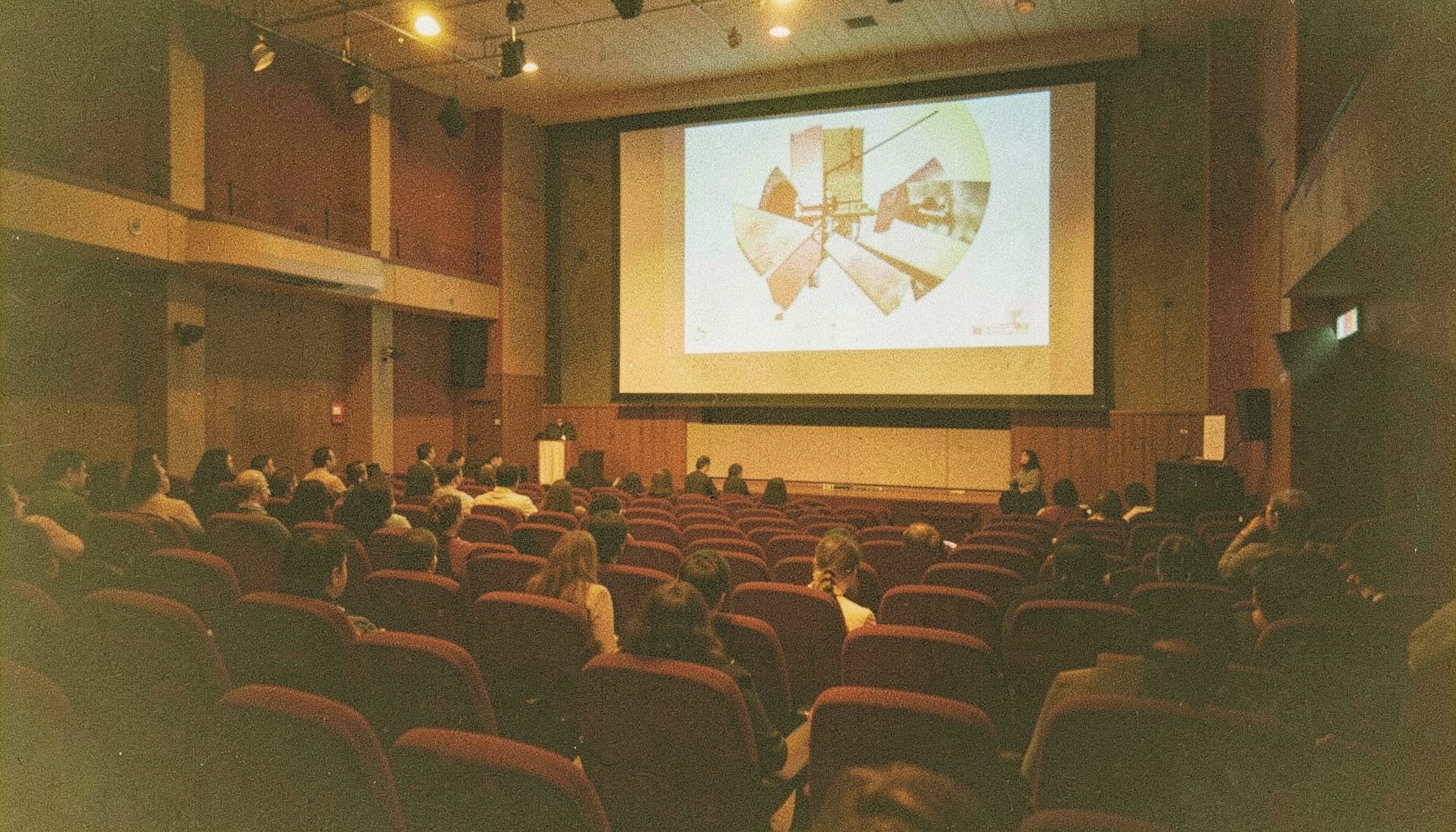
Second Annual Symposium
The Second Annual Advancing African American Linguist(ic)s Symposium took place on August 7–8, 2020. This gathering brought together scholars, students, and practitioners committed to advancing research on African American language varieties and promoting greater inclusion within the linguistic sciences.
Hosted as part of the NSF REU Site's broader mission, the symposium provided a forum for presenting research, fostering mentorship connections, and exploring the intersections of language, identity, and social mobility in higher education.
Symposium Themes
Language & Identity
Exploring how African American language varieties shape personal and academic identity among undergraduate students.
Social Mobility
Investigating the role linguistic choices play in navigating institutional spaces and advancing educational opportunity.
Mentorship & Pathways
Building sustainable pipelines for underrepresented minority students pursuing careers in linguistics and related fields.
Event Details
Dates: August 7–8, 2020
Host: NSF REU Site — Increasing Diversity in the Linguistic Sciences
Funding: NSF REU Sites program (Award #1757654) and the UC-HBCU Initiative
The Advancing African American Linguist(ic)s Symposium reflects the core mission of this NSF REU Site: increasing diversity in the linguistic sciences by centering research on language and social mobility. By bringing together scholars and students from a range of institutional backgrounds, the symposium creates a space where the study of African American language varieties is treated not as a niche interest but as a central and vital area of inquiry. Participants explore how language shapes educational trajectories, professional opportunities, and identity formation, and they consider how linguistic research can inform more equitable teaching and mentoring practices across colleges and universities.
The symposium also serves as a professional development hub for undergraduates from historically Black colleges and universities, minority-serving institutions, and other underrepresented communities. Through research presentations, faculty mentorship, and structured dialogue, student scholars gain hands-on experience with sociolinguistic methods, data collection, and analysis. These activities help participants build the confidence and skills needed to pursue graduate study and academic careers, while also fostering a supportive network of peers and mentors committed to broadening participation in the linguistic sciences.
Language plays a powerful role in how individuals navigate educational systems and social structures, and this symposium sheds light on those dynamics through rigorous scholarship and community engagement. By documenting language practices and examining their implications for teaching, the work presented here contributes to a growing public archive of research that benefits both academic audiences and the wider community. The gathering reinforces the idea that bringing linguistics to the people means ensuring that the voices and experiences of African American speakers are represented, valued, and understood in research and practice alike.
The symposium reflected the project's commitment to integrating research and education while broadening participation in the linguistic sciences. Presentations and discussions centered on the linguistic experiences of underrepresented minority students as they transition through higher education.