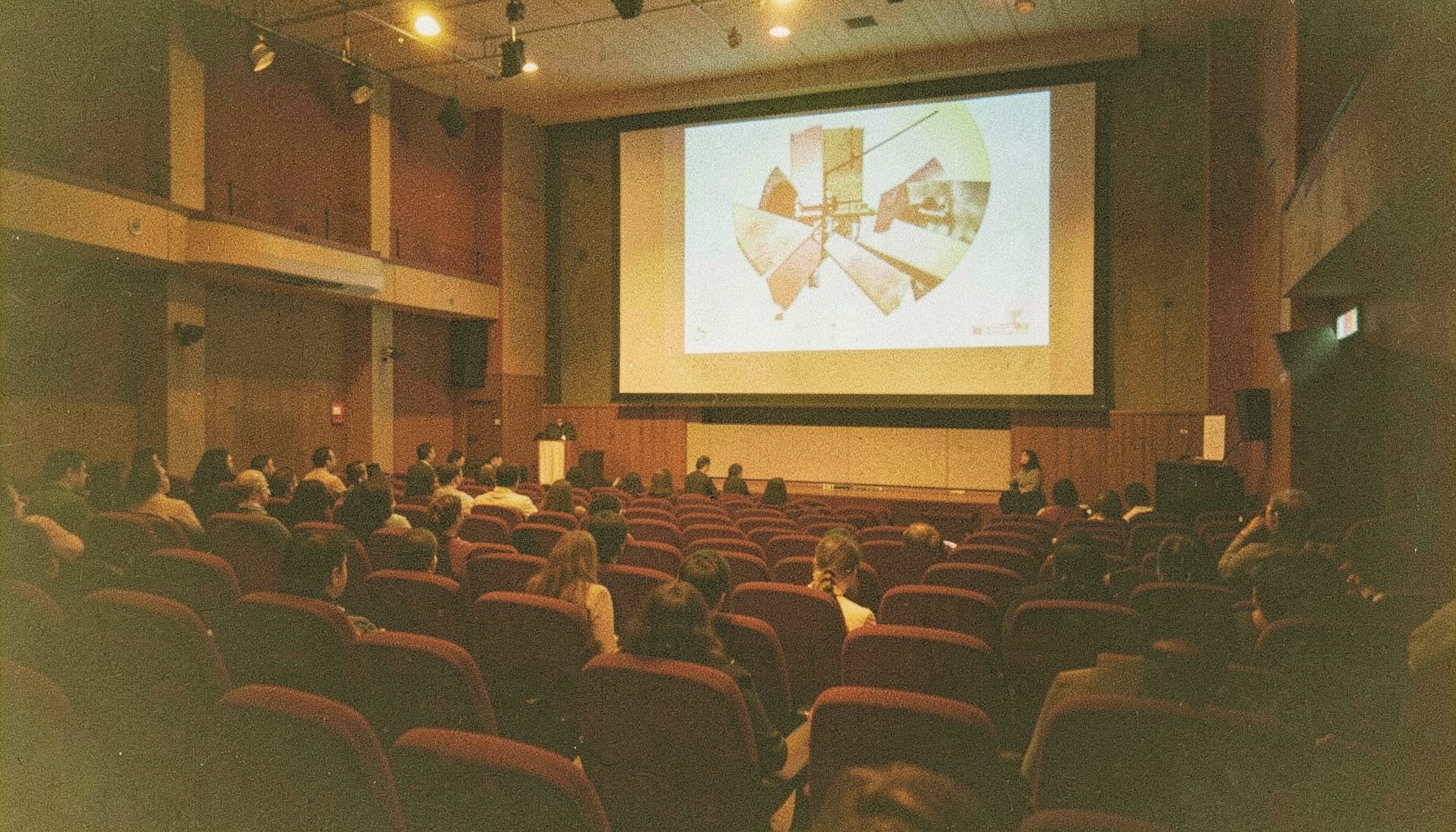
Research & Education Integration
This REU site is built around a core principle: research and education are inseparable. Scholars engage in mentored research projects that investigate the linguistic choices underrepresented minority students make as they navigate higher education. Alongside data collection and analysis, participants take part in workshops, seminars, and collaborative discussions that strengthen both methodological skills and theoretical grounding.
The program is funded by the NSF Research Experiences for Undergraduates (REU) Sites program in the SBE Directorate and supported by the University of California UC-HBCU Initiative. These partnerships ensure scholars work within a robust academic infrastructure while contributing to a growing body of sociolinguistic research.
At the heart of this research experience is a commitment to understanding how language shapes opportunity. Scholars investigate the linguistic choices that underrepresented minority students make as they move through college and beyond, examining how dialect, style, and communicative practices intersect with academic success and social mobility. By pairing rigorous sociolinguistic methods with a supportive mentoring structure, the program helps participants see themselves not merely as subjects of study but as active contributors to the field. Each project is designed to produce findings with real implications for teaching, policy, and the ways institutions support diverse student voices.
Beyond individual research, the program weaves together a rich educational fabric of workshops, seminars, and collaborative dialogue. Participants develop practical skills in data collection, transcription, and analysis while also engaging with broader theoretical conversations about language, identity, and power. These shared learning experiences foster a tight-knit community of scholars who challenge and encourage one another across institutional lines. Faculty mentors from partner universities bring diverse expertise and perspectives, ensuring that every participant receives personalized guidance tailored to their research interests and professional goals. The result is an immersive summer experience that builds both confidence and competence.
The program's broader mission extends well beyond the summer months. By deliberately recruiting students from Historically Black Colleges and Universities and other minority-serving institutions, the initiative works to diversify the linguistic sciences and expand who gets to ask research questions and shape the field's future. Participants leave with strengthened research portfolios, professional networks, and a clearer sense of the pathways leading to graduate study and academic careers. In this way, the project contributes to a more inclusive scholarly community while also producing knowledge that illuminates the role of language in educational equity and social change.
Program Components
Mentored Research
Each scholar is paired with a faculty mentor and contributes to an active research project examining language use, identity, and social mobility among underrepresented student populations.
Professional Development
Workshops cover academic writing, conference presentation skills, graduate school preparation, and career pathways in linguistics and related fields.
Community & Collaboration
Scholars participate in cohort-based activities, peer feedback sessions, and symposia — including the Advancing African American Linguist(ic)s Symposium — fostering a supportive scholarly network.
Educational Seminars
Regular seminars introduce key concepts in sociolinguistics, quantitative and qualitative methods, and ethical considerations in community-engaged research.
Program Timeline
The REU experience unfolds over an intensive summer session, with preparatory orientation and follow-through activities bracketing the core research period. Scholars begin with foundational training in linguistic research methods, move into active data collection and analysis under close mentorship, and conclude with a culminating presentation of findings.
Past program cycles have supported cohorts in 2018, 2019, and 2020. Teaching assistant positions at North Hall were also offered during Winter 2020 and Summer 2020, providing additional opportunities for scholarly engagement.
Ready to Apply?
Learn more about eligibility, application materials, and deadlines on our How to Apply page.
How to Apply